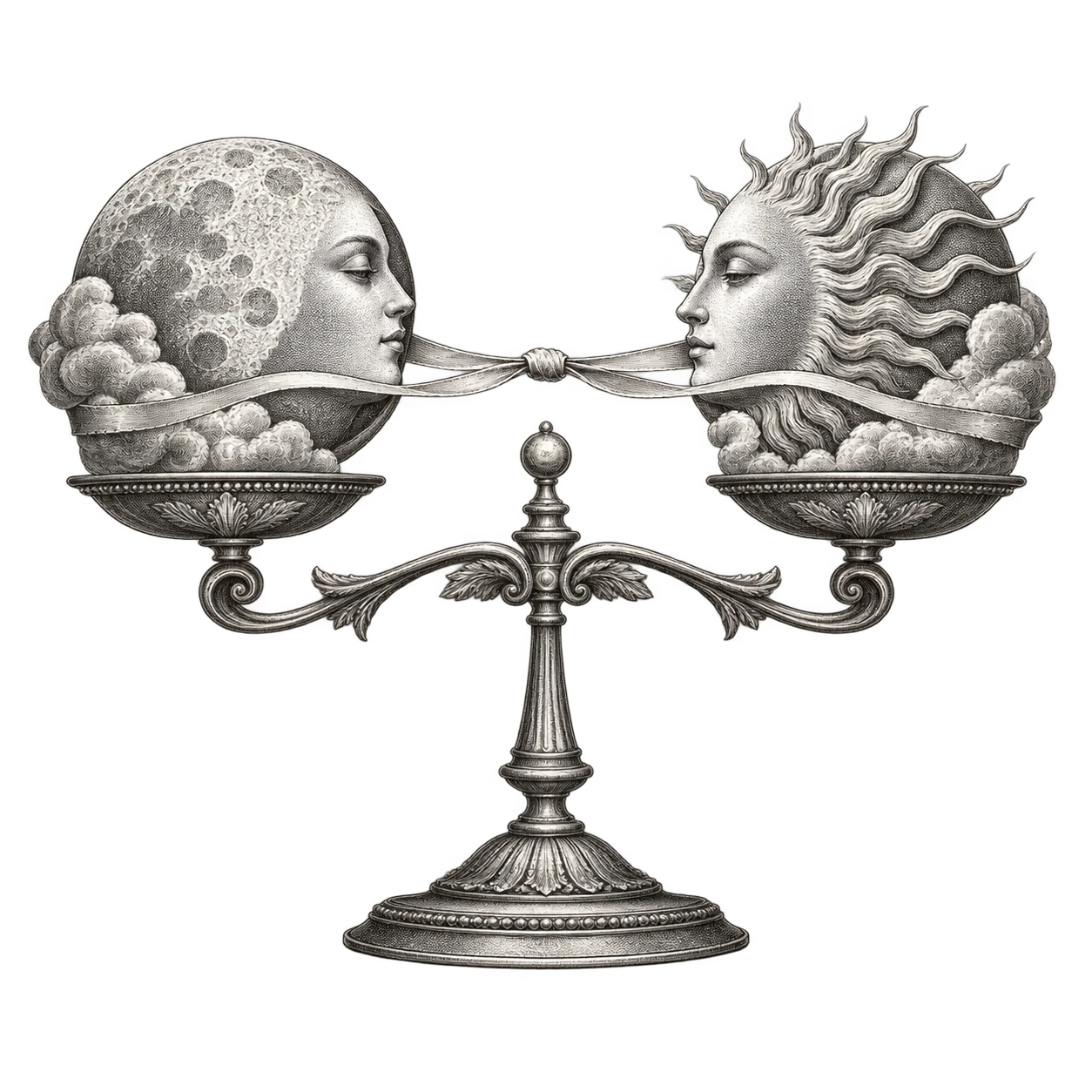
MAJOR ASPECTS
Opposition
An opposition places two planets about 180° apart, like two ends of a conversation that each carry a legitimate concern.
The idea in context
At 180°, two chart functions face one another across a polarity that asks for awareness and balance.
MAKE IT CONCRETE
An example to picture
A hypothetical Moon–Saturn opposition can frame balancing a need for comfort with a responsibility that cannot simply be ignored.
How to read it
Read both poles before choosing an interpretation, and look for arrangements that give each need an appropriate place.
A common misunderstanding
An opposition is not proof of incompatibility or a requirement to choose one planet and reject the other.
BRING IT BACK TO YOUR LIFE
A question to sit with
What changes when you describe both sides as needs rather than enemies?
Go deeper: the full reference
How to work with it
People and events may mirror one side of the polarity until both functions can be held together more deliberately.
Detection policy
Synastry uses a maximum natal orb of 8° for this aspect. The exact orb is calculated from zodiac longitudes.
See the aspect in context
An aspect can connect two natal placements, a current planet with a natal placement, or placements from two people’s charts. Choose the corresponding tool and keep those contexts distinct as you read the aspect and its orb.
Connect the ideas
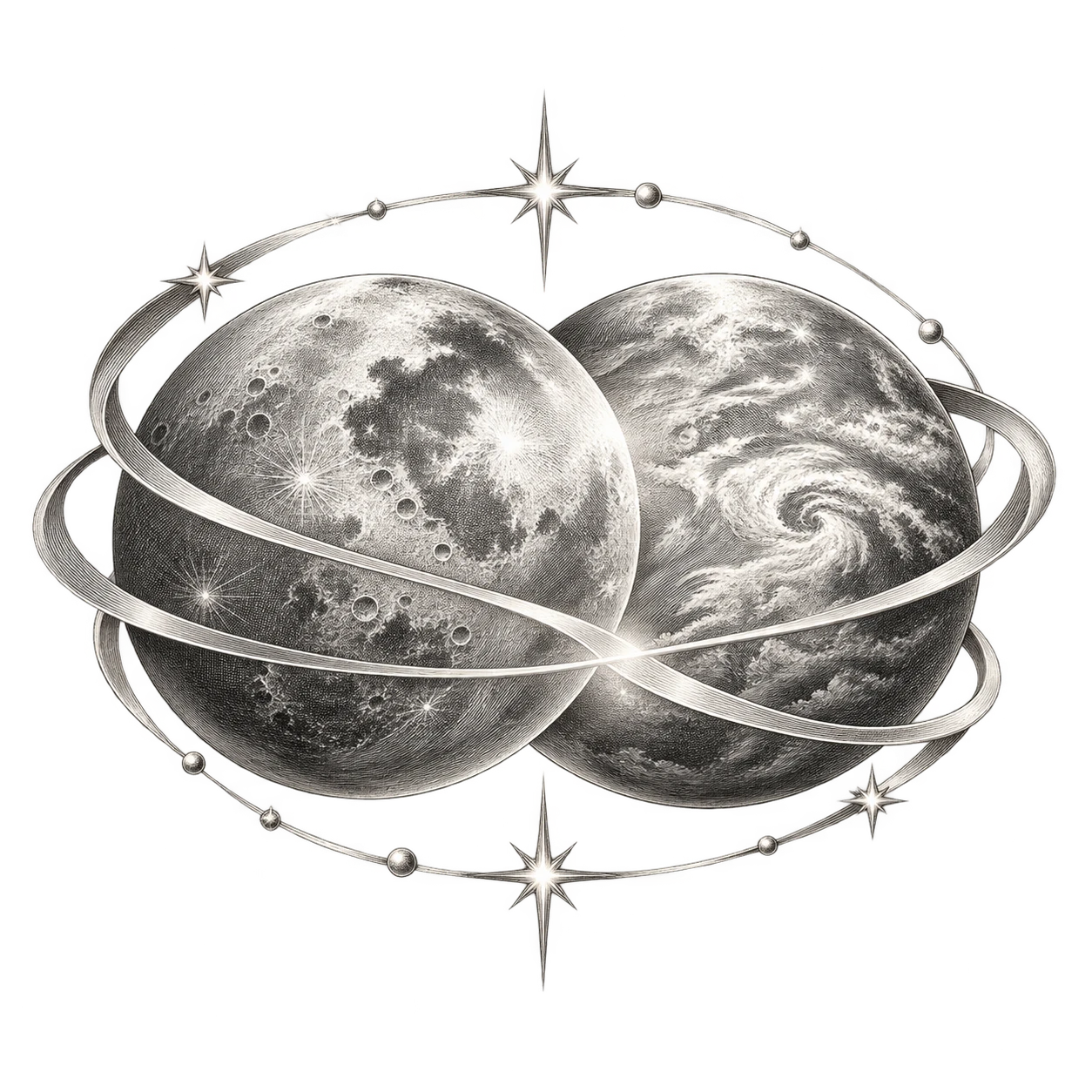
Conjunction
At 0°, two chart functions come together and operate as one concentrated pattern.
1 min read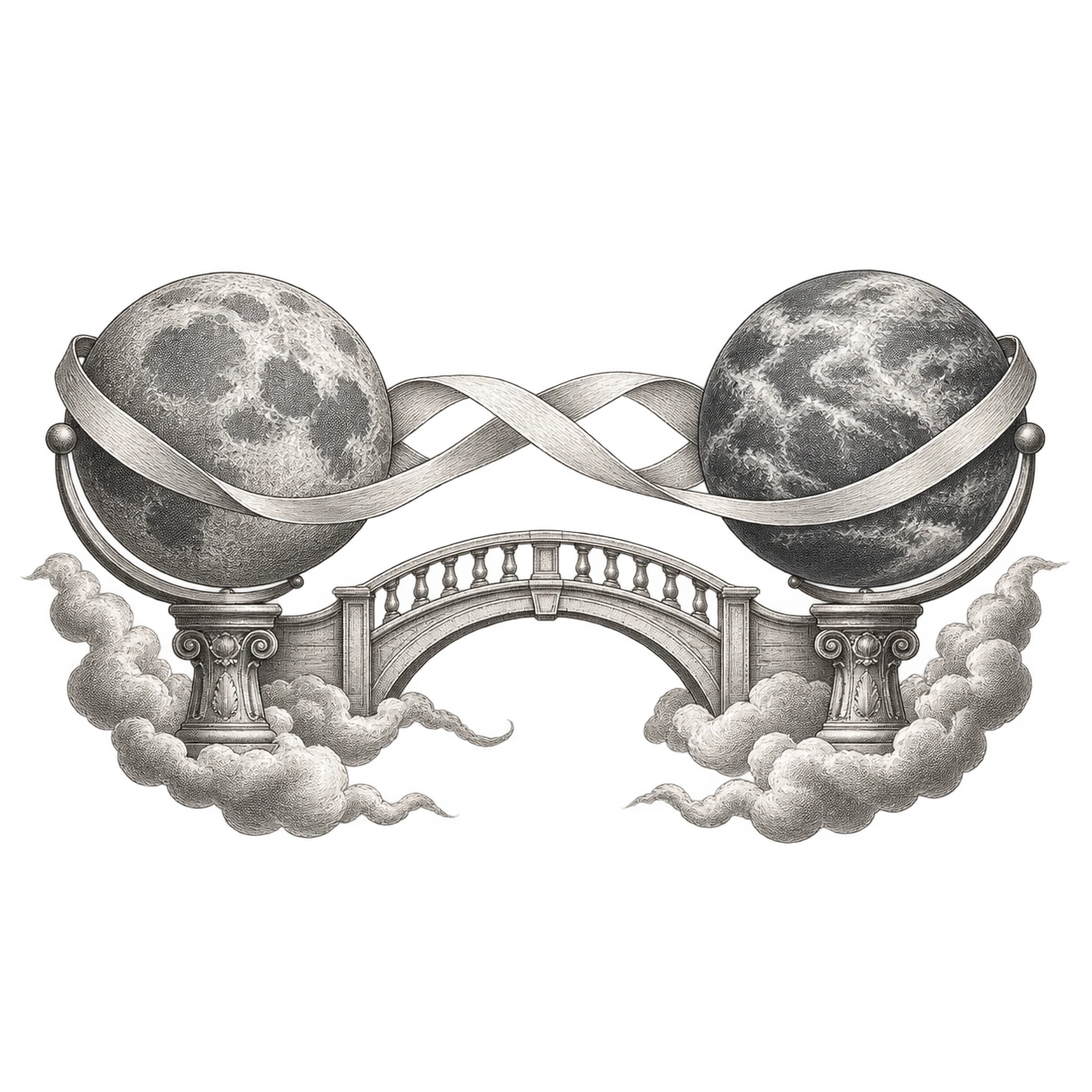
Sextile
At 60°, two chart functions form a cooperative opening that supports exchange and growth.
1 min read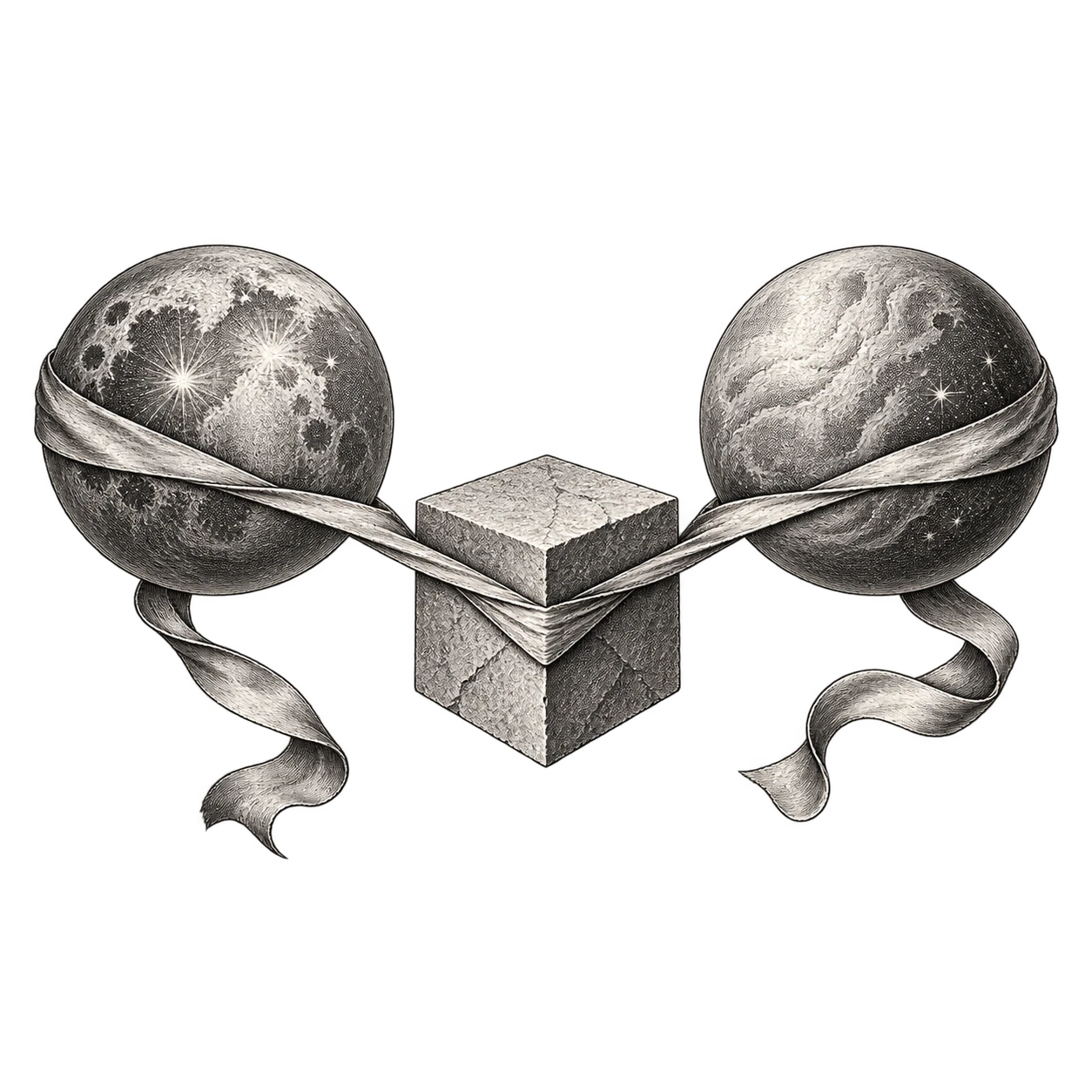
Square
At 90°, two chart functions meet through productive friction that demands adjustment.
1 min read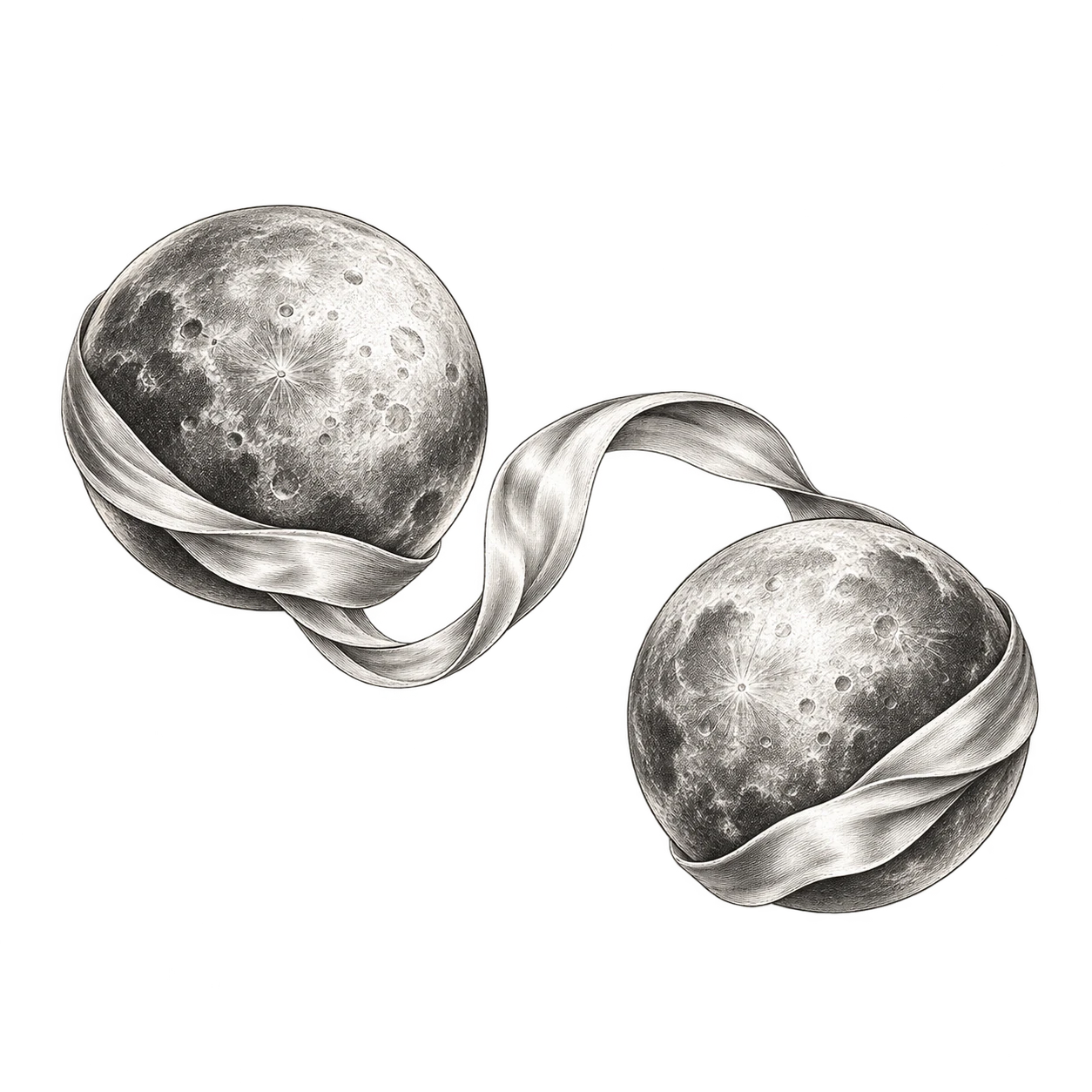
Trine
At 120°, two chart functions support one another through a relatively fluent exchange.
1 min read